Saving Lives Faster: How IoT Solutions Accelerate Disaster Response
IoT advancements are transforming disaster response by delivering real-time data, advanced connectivity, smoother logistics and helpful insights, even when traditional systems fail.
By leveraging LPWAN networks, distributed sensors, drones, wearable devices and AI-powered analytics, emergency teams can assess risks and deploy resources more effectively, allowing them to save more lives.
This article explores how IoT supports disaster response. These methods and technologies include:
What is the advantage of mioty® and LoRaWAN® networks in disaster situations?
Using LoRaWAN® and mioty® networks creates an infrastructure layer that keeps critical data flowing during disaster events.
The LoRaWAN® network stands out for its extended coverage, low energy requirements and capacity to function in various locations, including indoors, outdoors and underground. It is one of the most practical options for field sensors.
Similarly, mioty® provides a highly resilient communication protocol capable of supporting numerous sensor endpoints, even under noisy or congested conditions. Its Telegram Splitting Multiple Access (TSMA) approach enhances reliability and speed by reducing packet sizes, making it more resilient against interference and collisions.
Modern IoT disaster response strategies require dependable connectivity, which can be challenging when communication infrastructures suffer significant damage. Low-power, wide-area networks (LPWANs) enable long-range communication with minimal power demands, facilitating large-scale deployments in both urban and remote regions.
How Does IoT Ensure Real-Time Environmental Monitoring?
Distributed sensors can track flood levels, detect seismic activity, analyze the risk of wildfires, improve road safety during hazardous winter conditions, and measure soil movement in landslide-prone areas, helping launch earlier warnings.
A LoRaWAN® network is especially suited for these remote monitoring applications because devices can operate for years on battery power and transmit only when necessary. It uses a license-free radio frequency for accessible, low-cost and long-range transmissions. If it needs to connect to the internet, it can use Wi-Fi, Ethernet or cellular networks.
Real-time environmental data allows emergency teams to issue timely evacuation orders, mobilize response crews and stage more effective protective measures.
Connected Emergency Infrastructure with IoT
IoT also strengthens disaster response by linking critical infrastructure elements that need coordination.
Smart traffic systems can automatically clear routes for emergency vehicles.
Structural sensors on buildings, bridges and tunnels can report stress or instability.
Automated utility shut-off systems can minimize risks like gas leaks or electrical fires.
These components ensure a more adaptive response. LoRaWAN® and mioty® networks ensure stability and connectivity for these devices, even if traditional communication structures don’t work.
Drones and Aerial Assessment
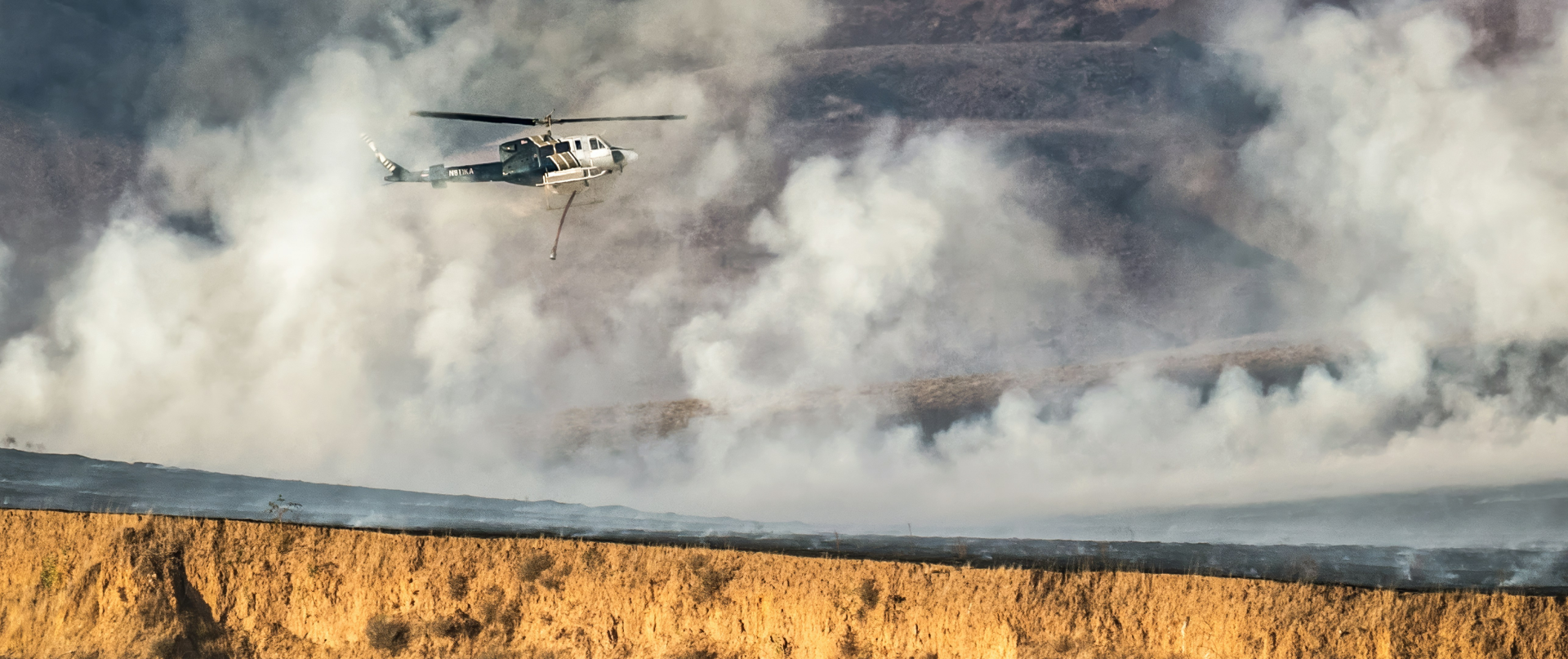
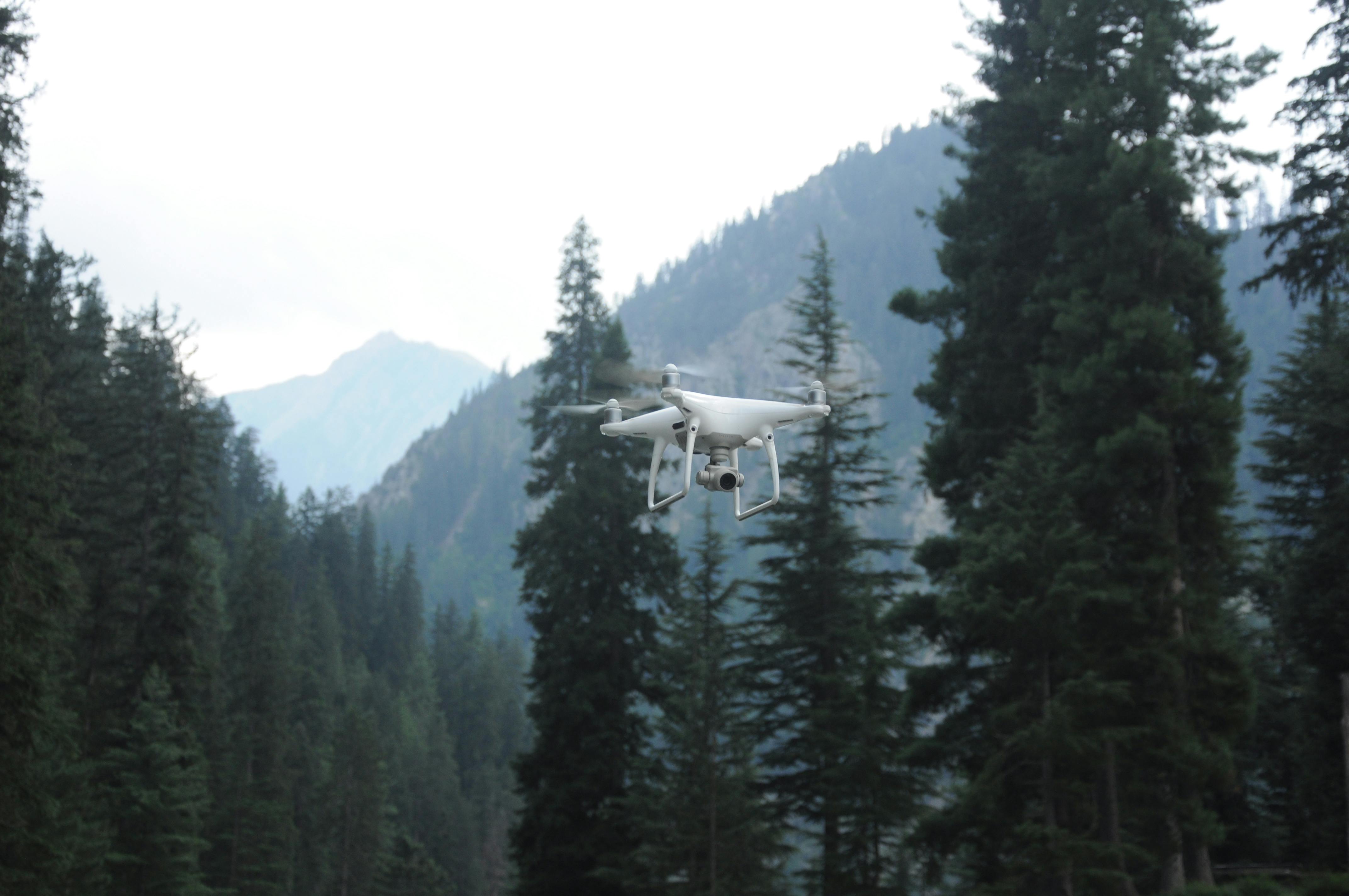
Drones equipped with optical, thermal and LiDAR sensors are helping responders safely map damage, locate survivors and detect hazards without entering dangerous zones themselves.
These drones transmit high-resolution data back to command centers for immediate analysis, often leveraging dedicated mobile networks. Cell towers can transmit and receive radio signals within a specific area, making it ideal for location-specific monitoring. As mobile coverage can be scarce in rural forest areas, setting up provisional mobile towers can be necessary.
Mioty® or LoRaWAN® networks can complement drone data without the need for direct mobile coverage, providing environmental context that improves responders’ analysis.
Advantages of Wearable IoT Devices for first responders
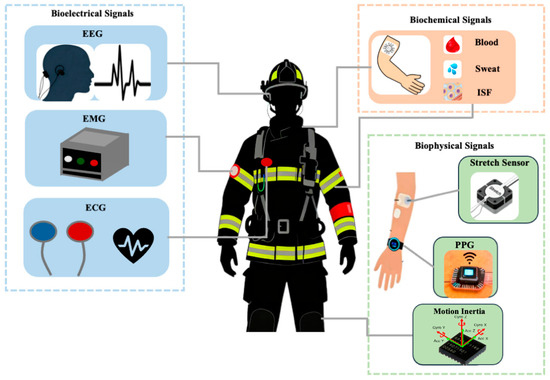
Wearable devices support both responder safety and survivor recovery. They can track emergency workers’ vital signs, measure their exposure to hazardous materials, and transmit their real-time location to ensure safety and awareness.
Wu, J. et al., "IoT-Based Approaches to Personnel Health Monitoring in Emergency Response," published in Sustainability 2026, licensed under CC BY 4.0.
Furthermore, emergency lights or GPS beacons using LoRaWAN® or mioty® can function even when Wi-Fi or cellular networks fail, helping search teams locate individuals trapped or isolated during emergencies. Together, these systems minimize guesswork and improve rescue efficiency.
IoT for Supply Chain and Logistics Management
Efficient logistics is essential immediately after a disaster, when medical supplies, food, water and shelter need to reach affected areas quickly. IoT enhances this process by supporting real-time tracking and monitoring across relief supply chains.
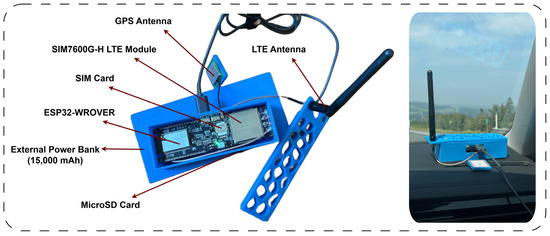
GPS-enabled IoT sensors provide constant visibility into the location of shipments. Relief teams can track trucks, aircraft and containers, minimizing delays and helping them reroute around blocked roads if necessary. LPWAN technologies allow these trackers to remain operational for extended periods with minimal power consumption.
Sampaio, A. et al., "Low-Cost IoT-Based System for Real-Time Monitoring," Buildings 2025, licensed under CC BY 4.0.
Sensors can also help maintain the integrity of critical items. Humidity, shock and temperature sensors ensure that medicines and perishable goods remain in safe conditions.
AI’s Role in IoT-Powered Disaster Response
The full value of IoT disaster response emerges when diverse data streams come together into cohesive operational intelligence. AI-driven platforms process the massive influx of sensor information, geospatial inputs and drone feeds to identify risk patterns and optimize resource allocation, among other functions.
IoT is reshaping the coordination and effectiveness of disaster response, giving agencies clearer insight and better control, even in uncertain conditions. With LPWAN providing dependable connectivity, responders can still communicate even when traditional networks falter. Continued investment in these technologies can strengthen global resilience and improve recovery.